Organic farming is a system of crop and livestock production that relies on ecological processes, biodiversity, and soil health while...
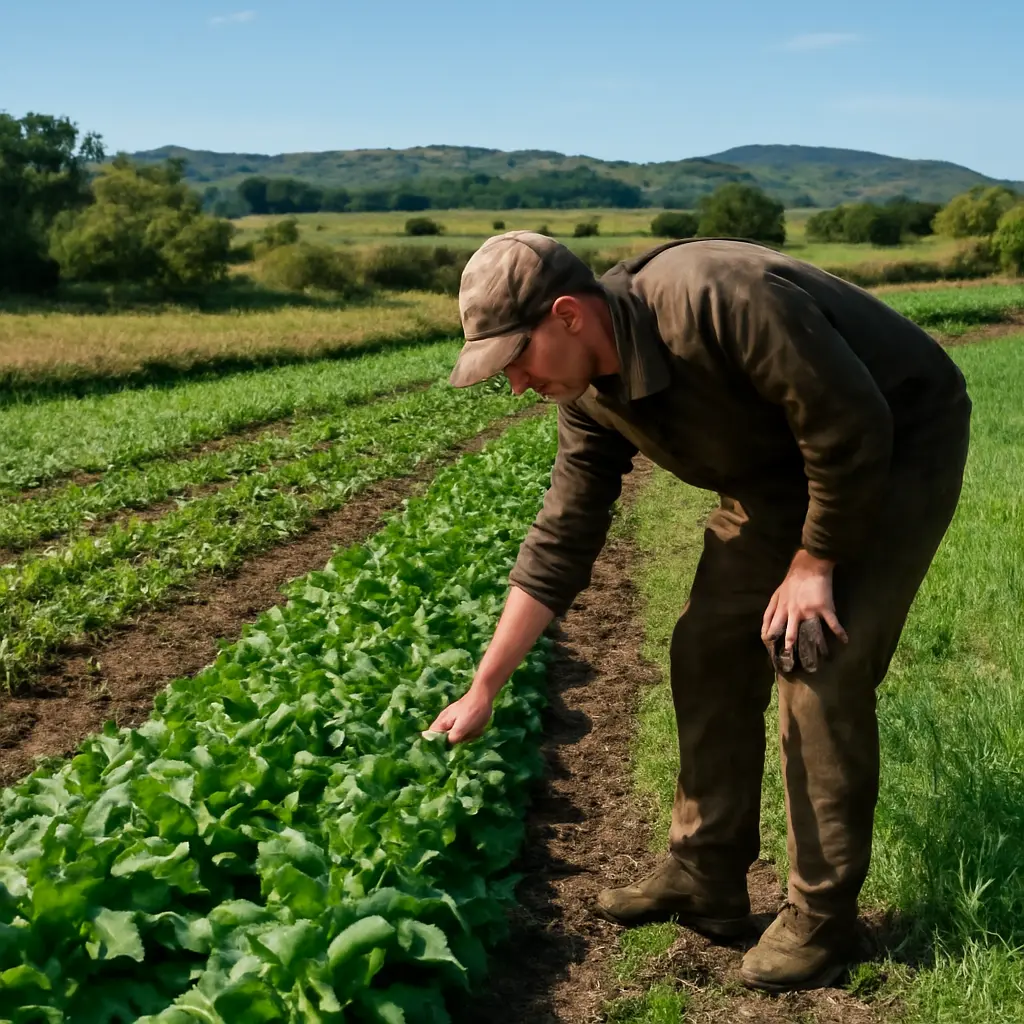

Organic farming is a system of crop and livestock production that relies on ecological processes, biodiversity, and soil health while...
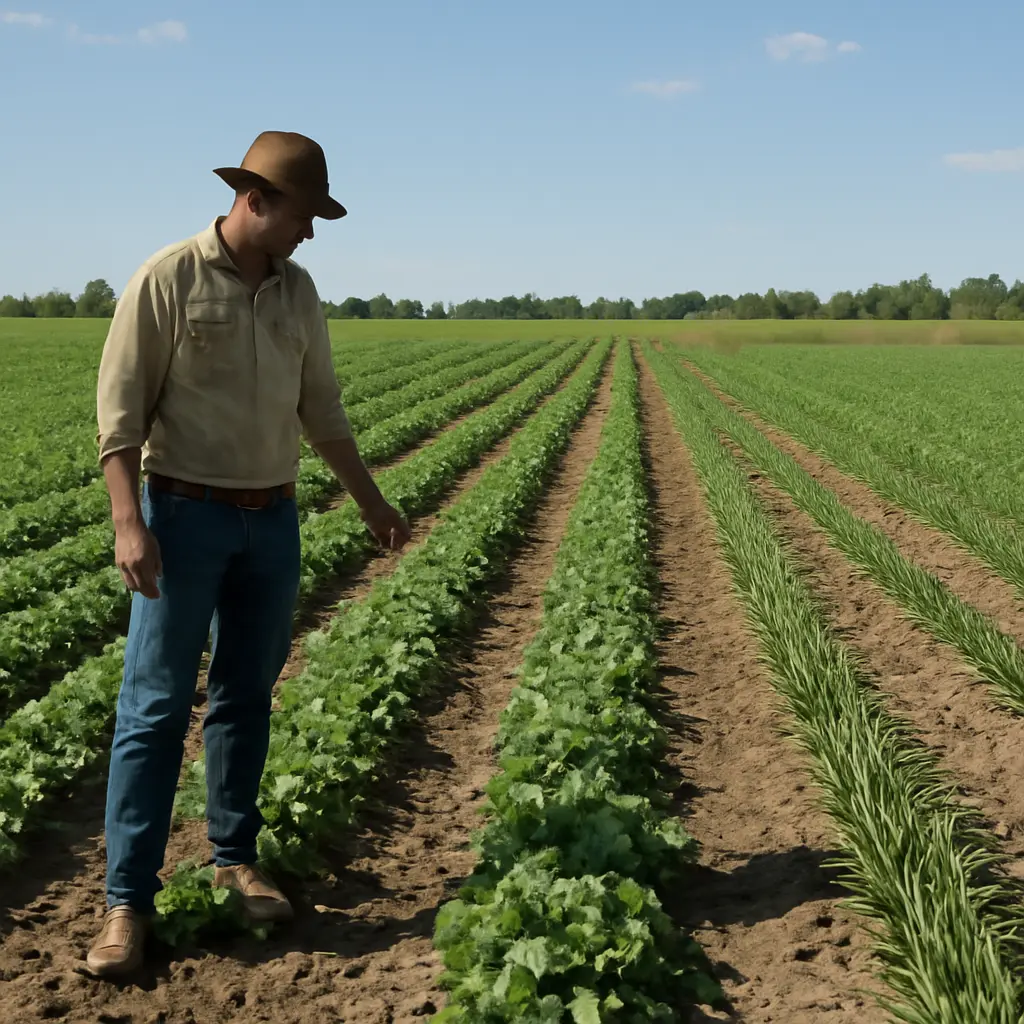
Crop rotation is the planned sequence of different crops grown on the same field over successive seasons or years. For...
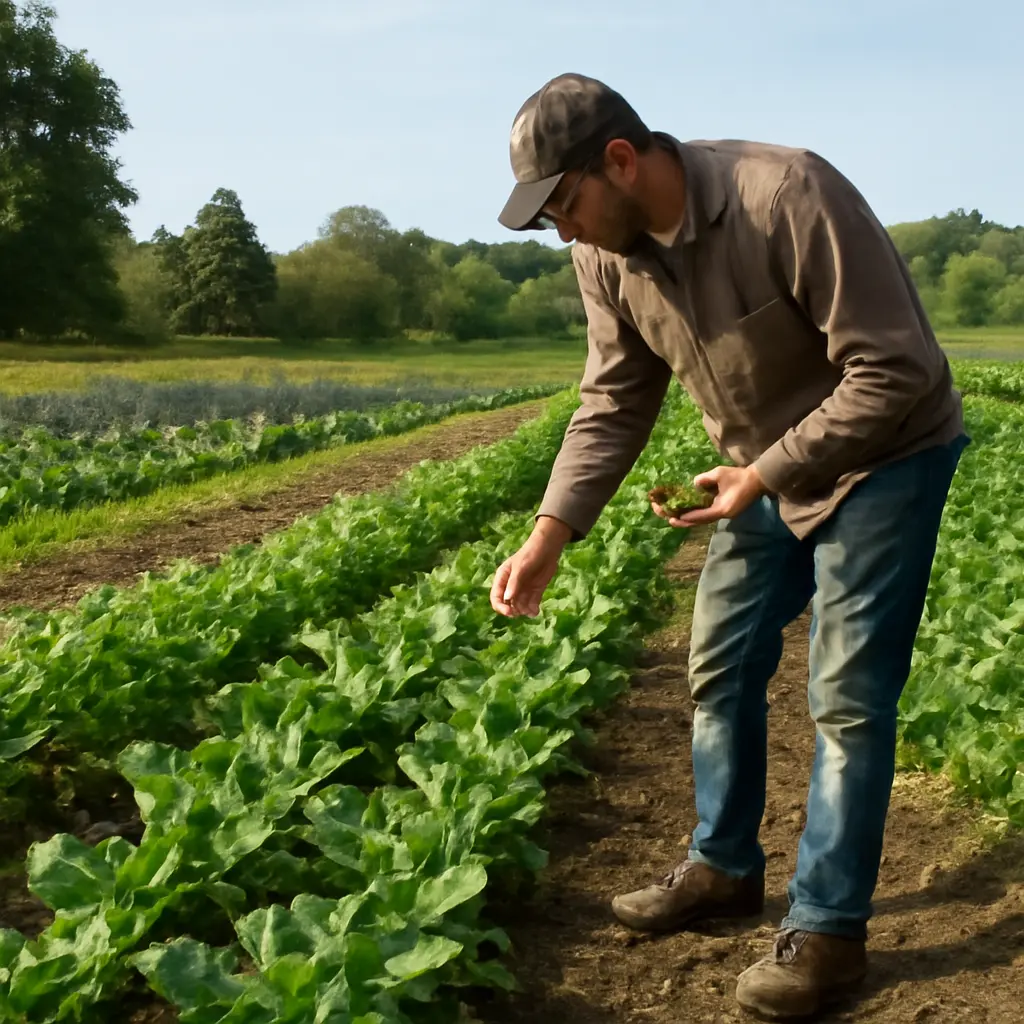
Organic farming is a system of crop and livestock production that emphasizes ecological processes, biodiversity, and cycles suited to local...
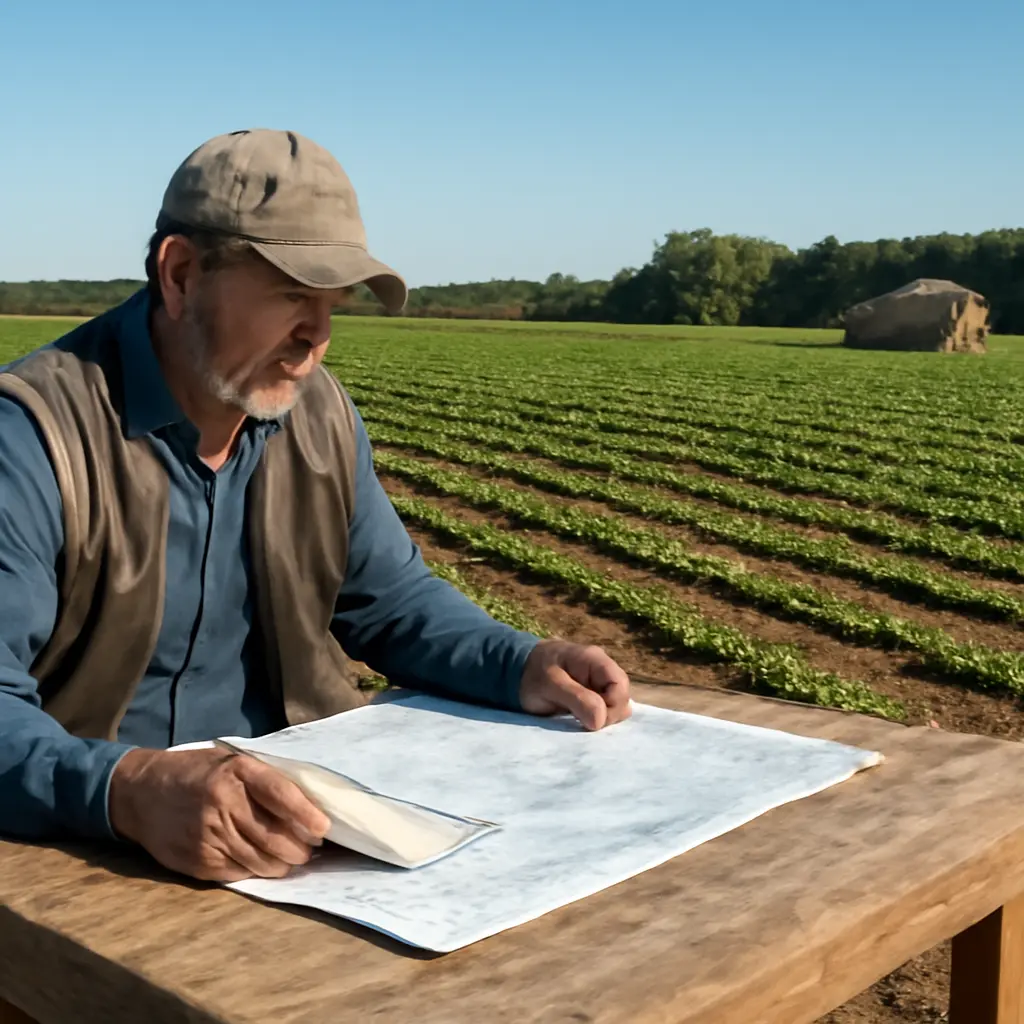
Organic certification is a third-party verification that agricultural products meet legally defined organic production and handling standards. In the United...
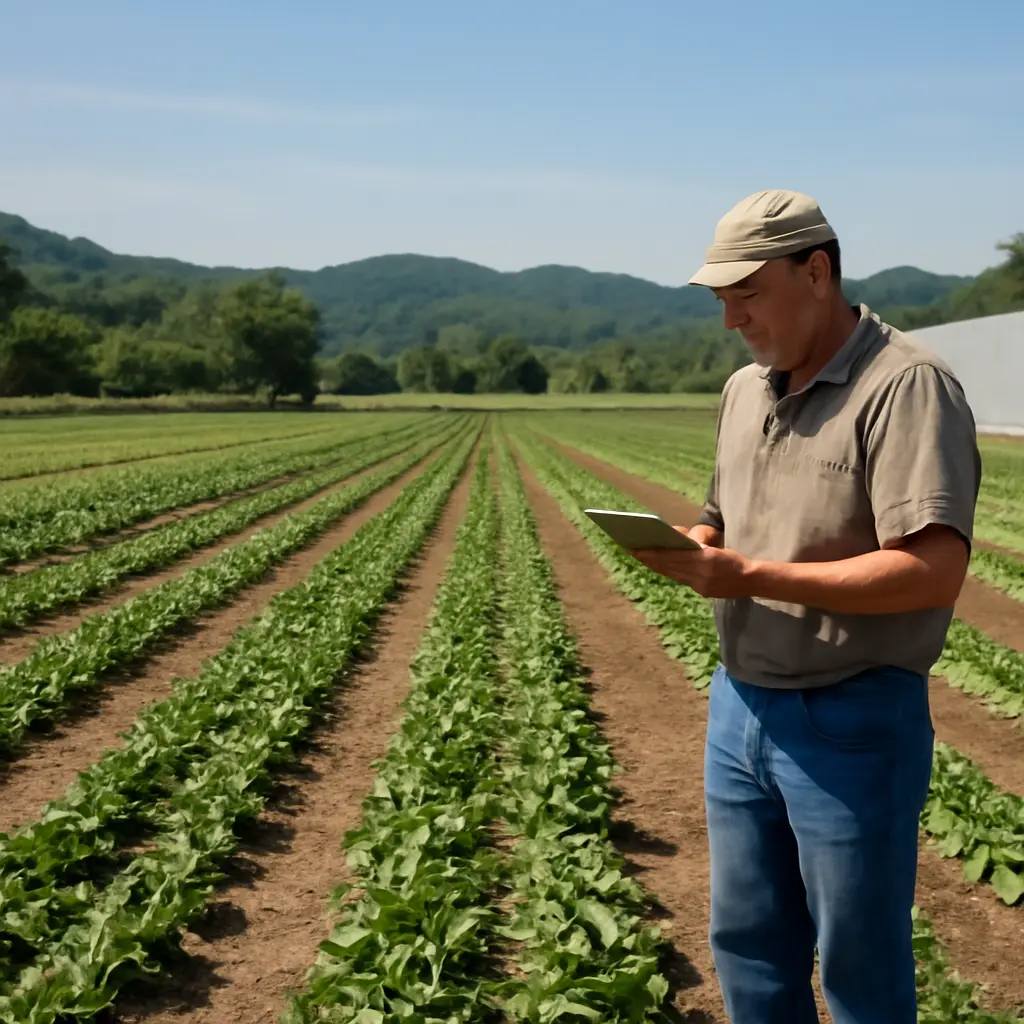
Organic food is food produced and handled under rules that restrict most synthetic pesticides and fertilizers, prohibit genetic engineering under...

Enzyme certification compliance is the documented process of proving that an enzyme-containing product is safe, effective, consistently manufactured, correctly labeled,...

Food processing—process specificity explains why newcomers often assume that cutting, heating, drying, fermenting, freezing, or pressurizing foods follows one general...

Pasture-capacity matching is the practice of adjusting livestock density to the forage, water, soil, and recovery capacity of a grazing...

Heirloom Seeds: Flavor, History, and Agricultural Diversity Heirloom seeds are open-pollinated, traditionally preserved plant varieties whose seeds can usually be...

Organic products with verified labels are foods, beverages, and agricultural goods produced under defined organic standards and backed by an...